high impact reactive ion etcher tools?
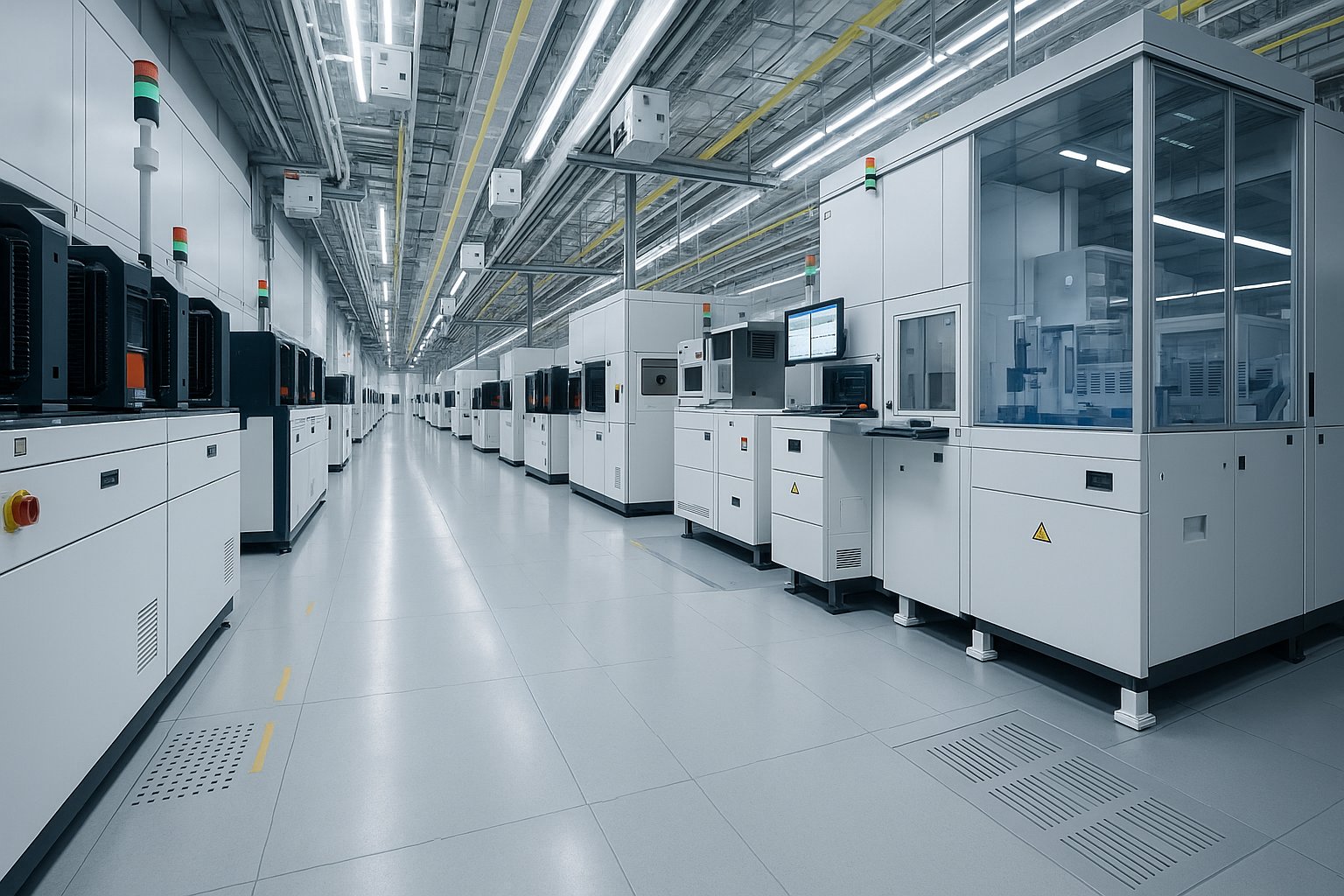
Essentials regarding plasma removal within electronic manufacturing. This approach exploits electrified gas to finely ablate substrate matter for controlled design during micro-device manufacturing. By refining important specifications like mixture composition, electrical intensity, and gas tension, the etching efficiency, material preference, and etching orientation can be carefully optimized. Ionized gas etching has reshaped microsystem construction, detector devices, and modern digital devices.
- Moreover, plasma etching is frequently applied for specialties in image processing, clinical areas, and structural science.
- Diverse variants of plasma etching occur, including plasma ion reaction etching and coupled plasma techniques, each with particular merits and disadvantages.
The complex characteristics of plasma etching demand a profound grasp of the essential physical frameworks and chemical properties. This study seeks to offer a comprehensive description of plasma etching, including its core concepts, multiplex classifications, utilizations, strengths, problems, and forthcoming changes.
Riechert Microfabrication Precision Devices
Focusing on tiny device fabrication, Riechert etchers stand out as a foremost tool. These novel devices are noted for their impressive correctness, enabling the creation of complicated designs at the microscopic extent. By employing sophisticated etching methods, Riechert etchers establish flawless management of the manufacturing sequence, constructing first-rate outcomes.
The use of Riechert etchers spans a multifaceted spectrum of zones, such as digital devices. From making microchips to designing novel medical gadgets, these etchers play a vital role in influencing the future of high-tech equipment . With dedication to performance, Riechert sets benchmarks for exact microfabrication.
Fundamentals and Uses of Reactive Ion Etching (RIE)
Reactive charged ion etching remains a fundamental strategy in microfabrication. RIE engages a combination of plasma ions and reactive gases to cut materials with selectivity. This function encompasses bombarding the object surface with ionized projectiles, which affect the material to form volatile evaporated products that are then transported by a pressure setup.
RIE’s skill in maintaining vertical profiles makes it highly effective for producing complex patterns in electronic circuits. Applications in device fabrication involve the transistor fabrication, circuit boards, and optical systems. The technique can also fabricate narrow openings and vias for dense data storage.
- RIE-based techniques deliver tight command over pattern formation speeds and component selectivity, enabling the formation of detailed patterns at narrow tolerances.
- Many reactive gases can be used in RIE depending on the substrate and etching features sought.
- The directional quality of RIE etching allows for the creation of steep edges, which is crucial for certain device architectures.
Achieving Fine Control in ICP Etching
Inductive plasma processing has developed as a important technique for fabricating microelectronic devices, due to its exceptional capacity to achieve maximum anisotropic effects and process specificity. The detailed regulation of plasma characteristics, including voltage supply, component balances, and operating pressure, ensures the delicate calibration of material ablation speeds and feature configurations. This adaptability makes possible the creation of detailed features with contained harm to nearby substances. By refining these factors, ICP etching can significantly mitigate undercutting, a habitual complication in anisotropic etching methods.
Cross-Examination of Etching Approaches
Charged plasma-based removal processes are widely employed in the semiconductor realm for constructing elaborate patterns on silicon wafers. This examination evaluates different plasma etching protocols, including plasma-enhanced chemical vapor deposition (PECVD), to determine their suitability for varied substrates and intentions. The examination draws attention to critical criteria like etch rate, selectivity, and profile accuracy to provide a complete understanding of the pros and shortcomings of each method.
Fine-Tuning Process Settings to Boost Etching Speed
Gaining optimal etching speeds in plasma methods is dependent on careful condition tuning. Elements such as electrical force, chemical combining, and force application exert significant influence the material ablation rate. By strategically varying these settings, it becomes attainable to raise capability levels.
RIE Chemistry Explained
Reactive ion-assisted etching is a core process in microelectronics preparation, which involves the utilization of ionized carbon particles to precisely etch materials. The underlying principle behind RIE is the contact between these ionized energetic species and the boundary surface. This contact triggers reactive transformations that separate and dislodge constituents from the material, giving a desired design. Typically, the process utilizes a concoction of activated gases, such as chlorine or fluorine, which get activated within the plasma environment. These charged species strike the material surface, initiating the removal reactions.Success of RIE relies on various elements, including the nature of material being etched, the use of gas chemistries, and the process variables of the etching apparatus. Meticulous control over these elements is necessary for securing superior etch patterns and reducing damage to neighboring structures.
Profile Regulation in Inductively Coupled Plasma Etching
Obtaining accurate and reproducible outlines is key for the functionality of diverse microfabrication procedures. In inductively coupled plasma (ICP) processing systems, control of the etch profile is main in constructing magnitudes and configurations of components being constructed. Vital parameters that can be controlled to govern the etch profile entail gas mixtures, plasma power, substrate temperature, and the electrode framework. By deliberately modifying these, etchers can achieve structures that range from evenly directional to extremely directional, dictated by particular application specifications.
For instance, mainly vertical etching is often requested to create narrow pits or interconnect openings with well-shaped sidewalls. This is achieved by utilizing heightened bromine gas concentrations within plasma and sustaining limited substrate temperatures. Conversely, symmetrical etching produces smooth profile profiles owing to etching method's three-dimensional character. This mode can be valuable for macro scale adjustments or surface normalizing.
Also, advanced etch profile techniques such as layered plasma etching enable the production of meticulously crafted and tall, narrow features. These tactics typically require alternating between reactive phases, using a fusion of gases and plasma conditions to produce the intended profile.
Discerning determinants that regulate etch profile control in ICP etchers is imperative for optimizing microfabrication procedures and realizing the expected device utility.
Ion Milling Processes for Chip Manufacturing
Ionized particle machining is a vital process executed in semiconductor manufacturing to selectively strip substances from a wafer surface. This method implements charged plasma, a bath of ionized gas particles, to etch selected patches of the wafer based on their fabrication texture. Plasma etching provides several pros over other etching means, including high dimension control, which allows for creating slender trenches and vias with low sidewall corruption. This accuracy is vital for fabricating detailed semiconductor devices with tiered formats.
Applications of plasma etching in semiconductor manufacturing are varied. It is applied to construct transistors, capacitors, resistors, and other primary components that assemble the substrate of integrated circuits. As well, plasma etching plays a significant role in lithography procedures, where it facilitates the faultless structuring of semiconductor material to frame circuit drawings. The exquisite level of control afforded by plasma etching makes it an major tool for recent semiconductor fabrication.
Emerging Directions in Plasma Etching Technology
Charged plasma processing progresses steadily, driven by plasma etch the expanding need of advanced {accuracy|precision|performance