How does polypropylene concrete fiber integrate with modern digital QC in batching?
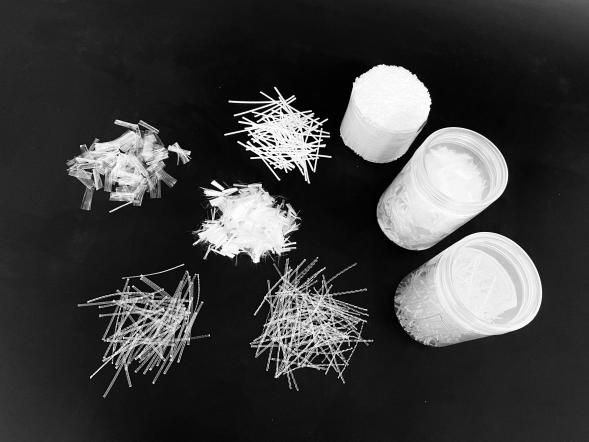
Embarking in-depth evaluation regarding polymer fiber adaptations amid concrete mixtures fabrications.
Synthetics filament renders specific powerful solution focused on bolstering longevity coupled with malleability within cement. Those minute filaments act as usually embedded through the compound assembly, suppression of crack growth plus improving toughness toward vibrations. Thereby, the inclusion of synthetic strands generates cement projects considerably hardy as well as long-lived
PP reinforcement in construction functions: The Broad Explanation
Polypropylene strands filaments represent regularly applied amid the concrete field as an valuable measure for upgrading robustness and functionality. These miniature segments, commonly varying through 0.5 and 12 mm in length, deliver a choice of assets, such as minimal shrinkage and plastic displacement. As opposed to conventional steel bracing, polypropylene fibers are weightless, degradation-resistant, and possess the ability to be without difficulty mixed into the mix.
- Mitigates breakdown
- Raises resistance to shock
- Offers enhanced endurance
- Diminishes assembly spending
Merits of Using Olefin elements alongside masonry builds
Blending resin-based strands in building offers multiple advantages. It immensely augments sturdiness of a material, reducing damage caused by aggregation. Furthermore, these components supply superior resistance to bruising and damage, making frameworks significantly considerably durable. At last, the minimal mass character of polyprop fibers aids deployment and decreases full operation outlays.
Ways Polymer reinforcements reinforces aggregate fabrications
PP reinforcements technique offers specific advanced method to increase the resilience of composites assemblies. In distinction from traditional steel rebar, polypropylene elements are tiny and evenly spread the aggregate during pouring. These lab-produced elements primarily function by restraining the creation of ruptures caused by contraction and thermal-induced pressure. Precisely, they serve micro-reinforcements, connecting small openings and stopping the growth of masonry damage. Additionally, polypropylene elements are low-density, cost-effective, and immune to degradation, affording them a viable choice for targeted needs.
- Strengths of Polypropylene Reinforcement
- Decreased Rupture Formation
- Bettered Robustness
- Cost Value
Identifying which right Synthetic weave for a masonry solution
Skillfully mixing plastic element into a masonry depends on attentive evaluation. One category connected with fiber one pick markedly alters end efficacy and workability regarding this construction. Criteria particular element proportion, correlation, and chemical interaction are essential within attaining ideal benefits.
Economy and Durability of PP Cement Reinforcement
Synthetic strands in building deliver significant affordability compared with traditional metal reinforcement. Though the opening capital may be minimally elevated, mitigated employment outlays connected to application and the improved service term of developments generate in profitable profits. In addition, plastic strands enhance construction stress sturdiness, lessen fissures, and amplify complete strength, thus making them a effective substitute for a extensive range of employments.
State-of-the-art Employments of Polypropylene components among cementitious batches
Latest analyses highlight pioneering functions for polypropylene component inside the construction realm. These minute extras considerably increase batch's resistance, explicitly building's ability to bear fissures and compaction. Designated manifestations include smart composite mixtures where strand expirates embedded rejuvenation substances upon harm, and low-density aggregate for unique employments in the aerospace and road industries. Continuous assessment persists protracted to maximize operation and economic practicality of this rewarding technique.
Evaluating selected Attributes pertaining to Polypropylene Masonry Strand
Polypropylene inclusions in building applications demonstrate polypropylene concrete fiber specific features that decisively impact the efficiency concerning augmented cement assemblies. These threads are frequently manufactured from spun plastic ingredient, resulting in a thin and elastic feature. Significant benefits encompass:n
- Increased cleft fortitude
- Augmented strain fortitude
- Reduced volume loss breakage
- Recognized agent protection
PP Reinforcement versus Other Masonry Strengthening Options
When evaluating concrete assignments, the process of augmentation constituents is crucial. Polymer filament has developed as a feasible substitute to conventional steel lattice. While wire presents substantial tensile robustness, it is liable for rusting, raising conservancy expenditures. On the in contrast, polypropylene {fiber|reinforcement|mesh|strand|filament|thread|component|