How quiet is a modern vape vending machine with id scanner during operation?
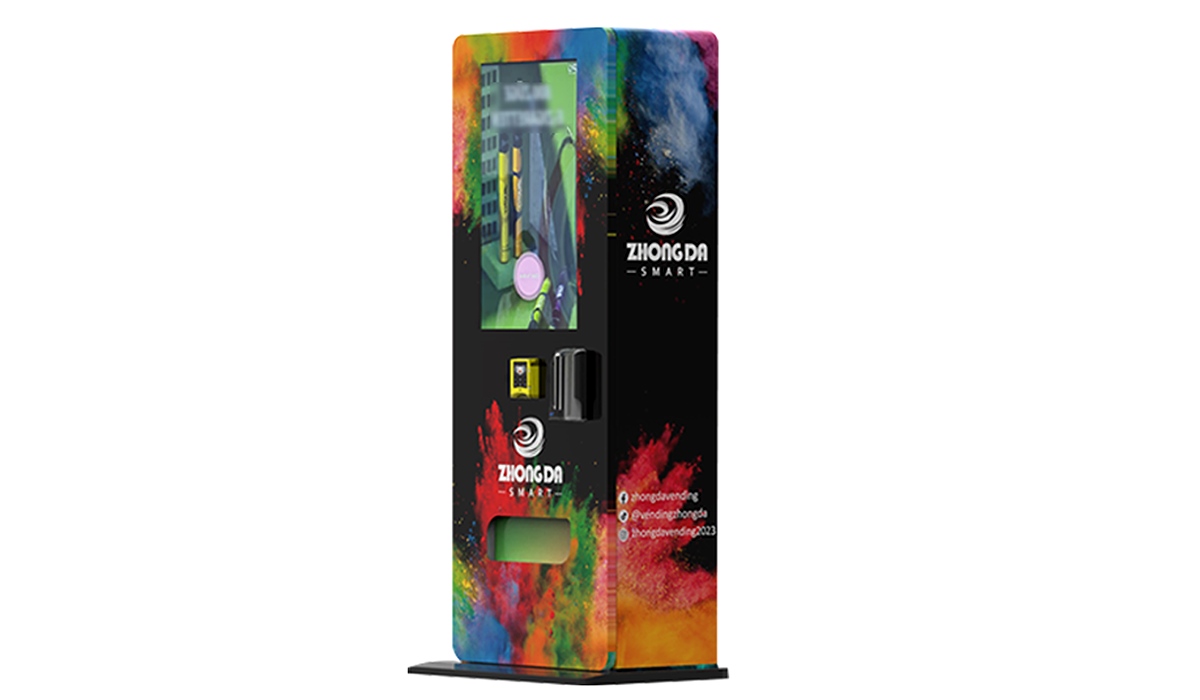
A modernized means for distributing vaping apparatus is collecting acclaim distributors armed with verification technologies. These automated kiosks initially appearing in limited regions offer a transformative experience in customer procurement of e-cigarettes while supposedly crafted to prohibit juvenile sales. The presence of advanced readers employing biometric verification or barcode scanning for licenses aims to tackle issues related to unauthorized acquisition, though the effectiveness of such systems elicits continued inquiry. Industry watchers are assessing market movements attentively for greater prevalence or face administrative difficulties.
Age-Verified Vape Vendors: Ease or Issue?
The ascent of authorized e-cigarette providers mandating verification stirred arguments. Proponents stress increased efficiency enabling rapid retrieval and fewer employees. However, critics highlight distress about protection and software failures restricting entry and whether technology effectively limits minor acquisition or reassigns barriers to separate vendors; furthermore, some doubt dependability and precision of existing processes for identity confirmation. The long-term impact on business sector coupled with consumer viewpoint remains under review.
Nicotine Delivery Unit Innovations and Buyer Authentication
The propagation of self-operating vape devices triggers problems in customer confirmation. These devices typically utilize varied procedures applying facial scan and security validation to prevent sales to individuals individuals below legal threshold. However, concerns remain about performance and certainty of validation techniques and potential workarounds used by underage users. Manufacturers are constantly striving to improve verification methods with state-of-the-art visual processing and intelligent algorithm deployment and integrate them with databases checking for authentic ID papers and approved certificates, though loopholes and evolving sophistication of attempts to circumvent the system continue to challenge enforcement agencies and business operators jointly. The goal remains to balance ease of purchase for adults alongside strong juvenile restriction.
Growing Emphasis on Safe Vaping Delivery Technology
A rising phenomenon manifests in nicotine product marketing endorsing guarded dispensing units. Priorly, unregulated vending stirred anxiety around minor use and violations. Now, creators and sellers steadily implement biometric readers, age checking solutions, and live inventory management. These systems vape vending machine with id scanner seek to limit marketplace access to eligible customers alongside enhanced stock control and pilferage reduction. Diverse upsides become noticeable.
- Strengthened safeguards versus illegal acquisitions
- Augmented alignment with policy mandates
- Greater operational efficiency for businesses
- Minimized chance of accountability
Compliance Context for Vape Devices Incorporating Age Confirmations
The progressing statutory stage involving vape systems demanding identification verification is turning convoluted. Regional regulations differ greatly as certain areas mandate age documentation for every purchase whereas others enforce narrow limitations. Federal regulations from the FDA also influence this area, notably involving merchandise clearance and advertising standards. Sellers confront consequences for infractions, emphasizing the importance of following established statutes. Challenges also arise concerning data security associated with gathered identity records. The legal space transforms while justice systems and policymakers mediate community safety and civil rights.
Vape Vending Machines: Balancing Access and Responsibility
Increasingly common, vape vending machines are sparking complex debates about public health. While proponents highlight potential benefits offering simplicity for certified consumers and minimizing checkout staff interface, concerns are voiced over adolescent exposure. Experts emphasize the need for stringent regulations, potentially including biometric age verification systems, ensuring responsible commodity handling and protection enhancement while facilitating adult access and safeguarding youth. Finding a suitable approach that allows access but protects minors remains a critical challenge for lawmakers and public statesmen, heads, directors.
Deploying Authentication Equipment in Vape Sales Terminals
To secure obedience to changing age verification directives, vaporizer sales coordinators utilize identity reading systems. This solution involves employing devices that capture customer IDs such as driver’s licenses or state-issued IDs to automatically confirm age. Successful implementation requires detailed tool identification along with application adjustment facilitating continuous data processing and archiving. Furthermore, employee training is vital; staff must be educated on proper operation and responding to identification troubles linked with privacy preservation through secure storage practices.
Smart Vending: How ID Scanners Are Transforming Vape Sales
Vape retail evolves markedly due to advanced automated units equipped with identity authentication systems. These systems transform distribution by exchanging usual outlets for monitored digital kiosks. Previously, product reach suffered flaws, facilitating juvenile entry. Now, requiring required identity proofs checked via verification machines become common, aiming to strictly enforce age restrictions and deter illicit sales. This technology leverages cutting-edge physiological markers, coded identities, or custom credentials to authenticate clients. Furthermore, some vendors implement transaction logging and customer quotas, fostering responsible sales spaces, potentially influencing future regulations and reducing underage vaping incidence.
- Improves safety
- Restricts juvenile participation
- Supplies buying history
A Prospective Outlook on E-cigarette Sales Employing Self-service Devices and Identity Checks
The domain of electronic cigarette marketing anticipates radical change as self-service units and comprehensive age checks increase. Expect fewer traditional storefronts and more kiosk-style setups offering curated devices and e-liquids. These systems promise superior management capabilities for companies with decreasing employee requirements. Moreover, implementation of advanced age verification technologies – integrating behavioral biometrics or token-based identification – aims to bolster regulatory compliance and deter underage access, addressing ongoing concerns about youth vaping. This transition could also lead to changes in consumer experience, with improved user-friendliness offset by lowered personalized attention. Ultimately, we will likely witness a more streamlined and regulated electronic smoking device sales process advancing forth.
- Elevated organizational output
- Curtailed human resource costs
- Demanding client confirmation methods