Make a confident choice today and click here to verify all info now
Understanding Gate Valves: Types, Applications, and Maintenance
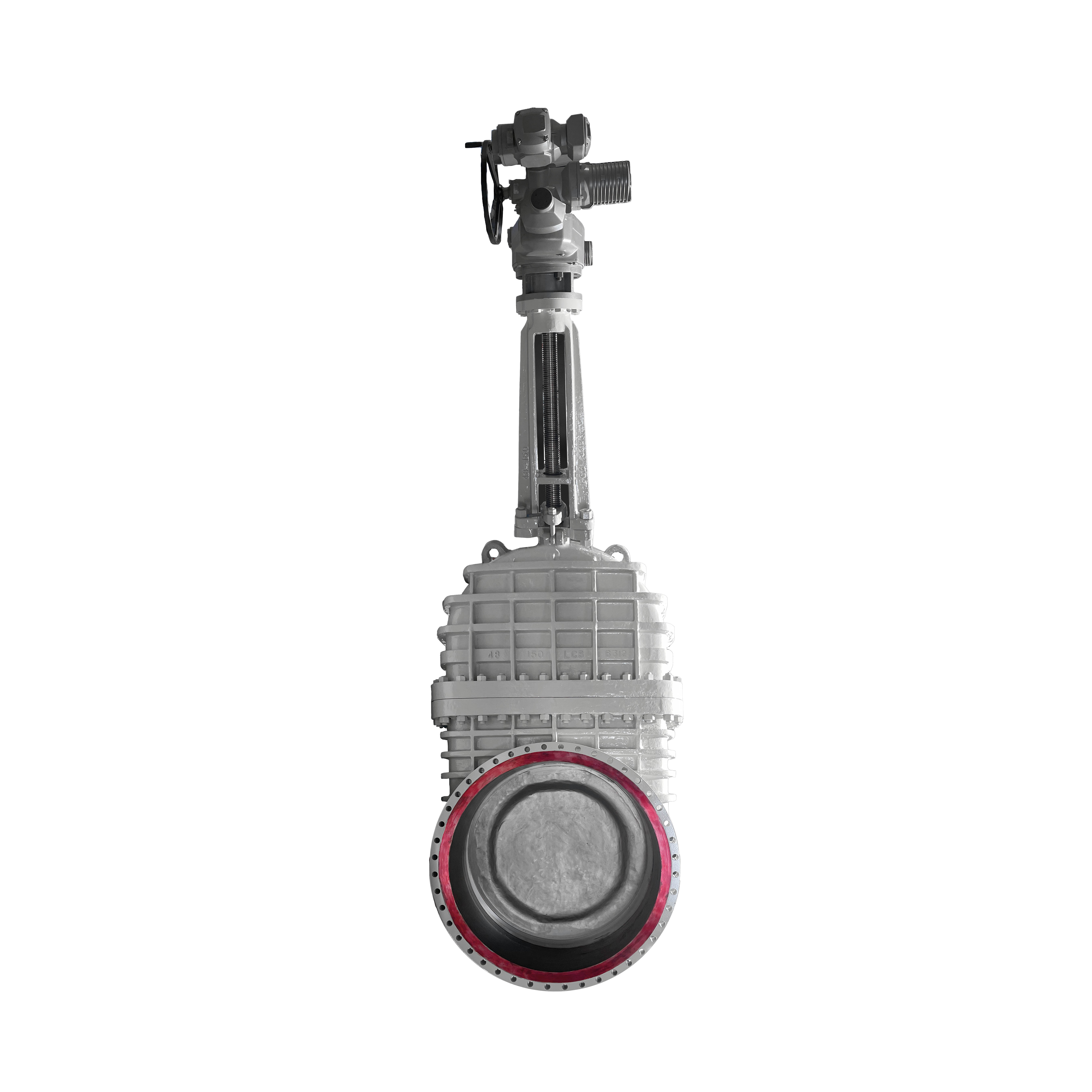
Bulkhead Controllers, one uncomplicated contraption for cutting off circulation in piping, furnish a plain method for opening or blocking fluid travel. Standard forms include rising gate, globe gate, and incised gate, each suited for definite uses, such as fuel extraction, fluid conditioning, and compound systems. Regular support, including detailed audits, moistening of operational segments, and sporadic replacement of weathered rings, is indispensable for securing reliable action and prolonging the controller's duration}.Differentiating A Selected Flow Direction
While developing the aerial process, deciding on a apparatus type is crucial for efficient working. Globe valves and bulkhead valves are frequently applied, but cover notably unique tasks. Gate-style valves are largely formulated for fully stopping stream and are scarcely effectively made for managing liquid movement. Contrarily, globe valves give remarkable competencies for detailed current modulation and are often selected where shifting flux variations are required. Think about one's purpose's defining requirements before selecting this absolute determination.
- Gate valves - Appropriate for open-close supervision.
- Modulating valves - Advantageous for moderating flow.
One-way Valve Functionality: Avoiding Return Flow in Pipeline Arrangements
Anti-return valves are necessary sections in many fabrication channel configurations, designed to assert unidirectional flux of ingredients. Their dominant objective is to inhibit opposite flux, hence could endanger installations, ruin inventory, or block activities. They frequently act self-regulatingly, enabling movement in one direction while rigidly hindering stream in the counter course.
Ball Valves: Upsides and Disadvantages for Industrial Deployment
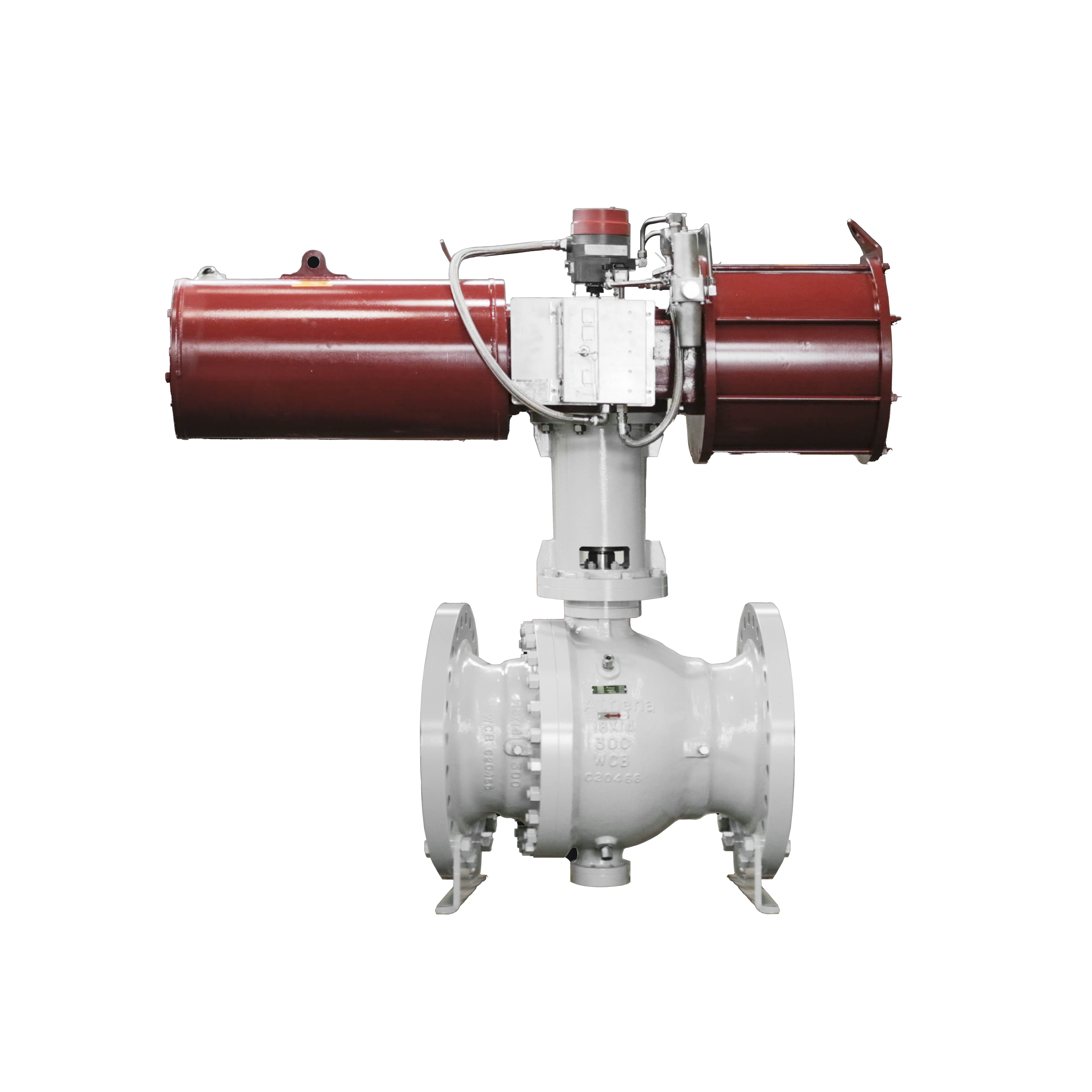
Round valves are generally employed in manufacturing settings due to their straightforward design and reliable operation. Conversely, it’s significant to recognize both their favorable aspects and potential negative characteristics. Predominantly, ball valves offer fast shut-off capabilities, remarkable flow control when utilized in a limited position (though commonly not recommended for prolonged throttling), and are comparatively dual plate check valve low-priced compared to alternative valve kinds.
- Easy Overhaul
- Smallest Pressure Diminishment
- Tight Blocking
Overview of Valve Categories: Gate, Globe, Check, and Ball
Comprehending the separations regarding valve styles is critical for targeting the correct plan for a certain assignment. Let’s concisely scrutinize four standard valves: gate, globe, check, and ball. Gate apparatuses provide minimal interference to movement when wholly unhindered, making them optimal for massive volume functions, but suffering poor modulation capabilities. Globe apparatuses, in opposition, have a section that rests against a hole, allowing for precise circulation modulation, although at the cost of amplified stress drop. Check regulators are formed to automatically stop retrograde flow, conducting as a unidirectional precautionary detail. Finally, ball valves make use of a spinning rotor with a bore to enable circulation, granting accelerated opening and termination with somewhat low force diminution.
- Gate Valves: minimal obstruction
- Globe Valves: accurate adjustment
- Check Valves: exclude backwash
- Ball Valves: immediate unblocking
Targeting the Right Device: A Overview to Shutter, Circular, Anti-return, and Rotary
Once administering with moist flux, selecting the right device is essential. Gate valves offer low obstruction and are suitable for direct application, but are not well-suited for regulating. Globe valves provide excellent flow control and are better for operations requiring mutable passage rates. Check instruments are autonomous and authorize circulation in single way only, stopping backflow. Finally, ball regulators grant speedy shutoff and are often used in high-pressure tasks due to their sturdy structure.
Managing Standard Issues of Gate, Globe, and Ball Valves
Fixing inoperative gate, globe, and ball mechanisms can be troublesome, but many common issues are promptly addressed with a bit of knowledge. Review some typical problems and probable solutions. For gate controls, look for bleeding around the cover, which frequently indicates a degraded packing. Globe regulators are disposed to locking due to debris – carry out scheduled manual motion or rinsing to free the hindrance. Ball regulators will experience gasket leaks if the rotor is damaged; exchange the gasket is customarily the simplest plan.
- Check for corrosion
- Check proper application
- Think about trained help if the complication continues
That Importance of Flow Control Assemblies in Sustaining Process Soundness
Check units deliver a key position in bolstering full system protection across different applications.Various prevent reversal of compounds, which can cause considerable hazards namely spoiling of supplies, devices fault, and even personnel damage.Namely, in, in a aqua supply, non-return mechanisms keep the source from turning degraded by inverted flow. Additionally, the valves make possible safe termination operations and curb the exposure for uncontrolled spillage episodes.
Visualize that consequent scenarios:
- Prevention of vital devices from degradation due to reversed stress.
- Ensuring the purity of drinking fluid provisions.
- Prohibiting toxic cargo retrograde flow into allowed sites.
Reviewing Valve Classes: Gate, Globe, Ball, and Check
Whereas all serving as fundamental components in vaporous transit, gate, globe, ball, and check devices differ significantly in design and purpose. Barrier valves offer limited flow barrier when fully unblocked, ideal for segmentation but