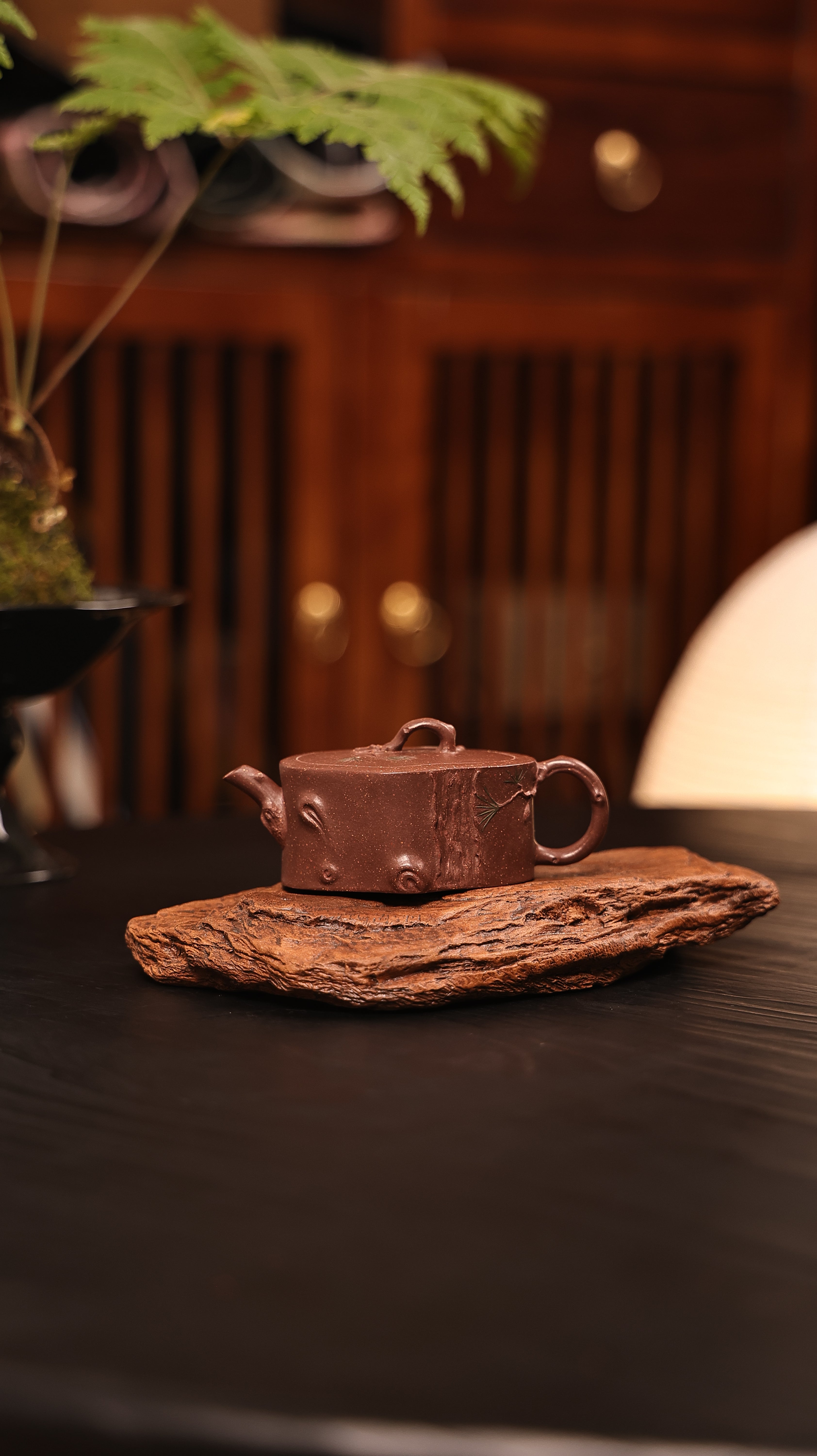
mindful living Chinese clay gongfu set?
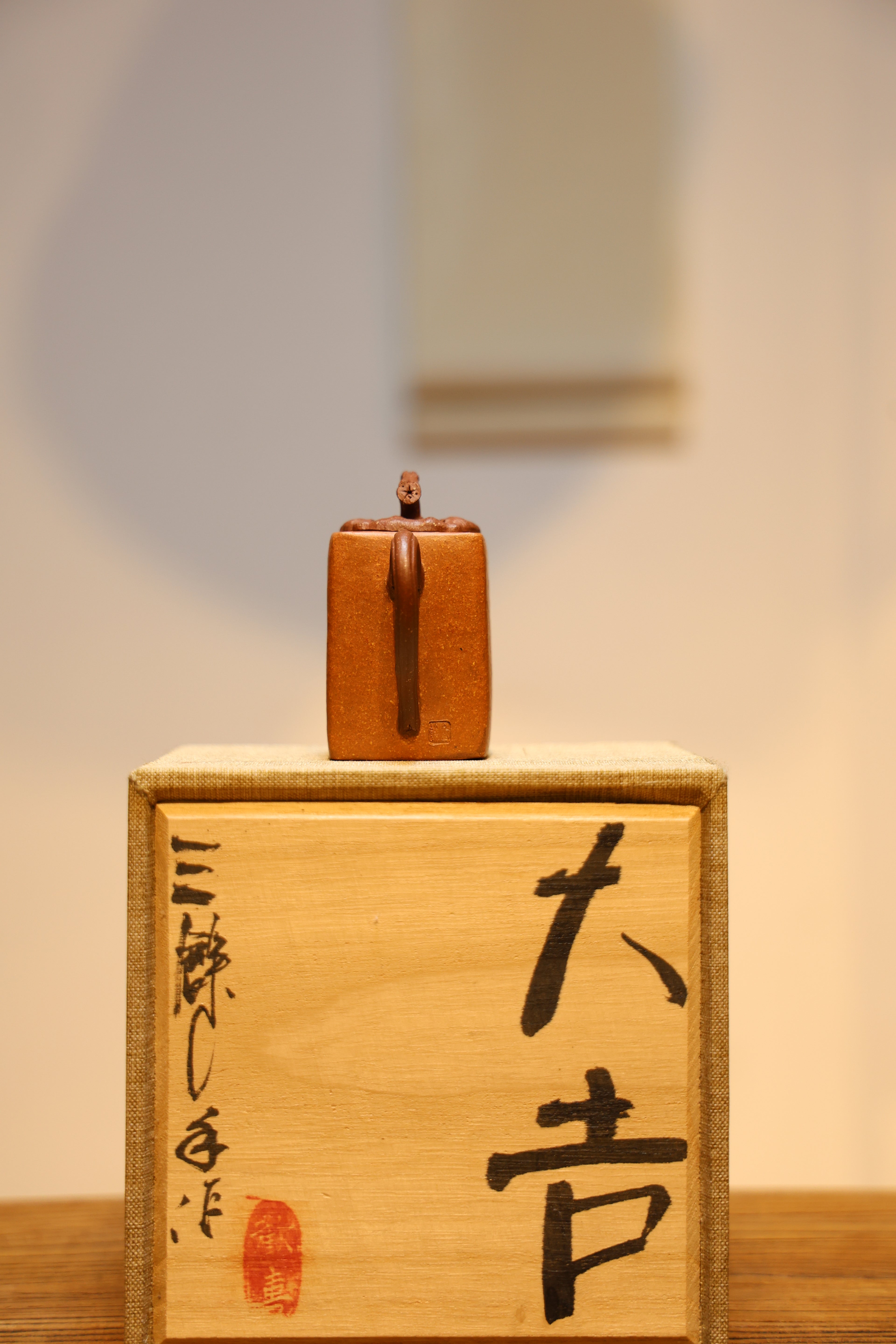
Opening the thorough review touching on Ihsing Zi Sha ceramic kettles introduces special enchanting union featuring know-how accompanied by efficiency.
Issing Tzu-sa ceramic kettles harbor special unrivaled seductiveness relating to curators worldwide. Distinguished amazing clay vessels, native from the singular Yi-hsing province within Jiangsu district, China, represent more than just teaware; they are considered works design beauty and legacy significance. A finely prepared clay, known for Zisha, imparts a subtle flavor inside the tea, and the decorative designs, often illustrating traditional Chinese imagery, make their basic value. Purchasing a genuine Yixing Zisha teapot is a enjoyable journey, entailing careful analysis and an grasp of the manifold factors influencing its limited availability.
Understanding Yixing Brewing Vessels
Eysing clay pots boast a storied past deeply interwoven with Chinese traditions. Originating in Yixing, Jiangsu region, these pitchers are crafted from a unique, porous purple terracotta found only in that particular location. Their progression began during the Ming reign, with master potters refining the practices over years. Assorted types can be seen, including the classic Zisha Teapot Hexiang (resembling crab shells), Zhuni (red-brown hue), and Duan Ni (stone-studded) – each with distinctive features. The significance of an Yixing pot isn't solely based on its size or trim, but also on the maker’s reputation, the clay's quality, and the container’s age and condition. Enthusiasts often seek out older examples, believing they retain the taste of the tisane brewed within them over time, further adding to their reputation.- Original Vessels
- Mahogany Pots
- Granite-Dusted Pots
Zisha Teapot Mastery: Expertise & Methods
That creation of Zisha teapots represents a apex of Chinese ceramic technique. Experienced artisans employ longstanding techniques, often passed down through families, to unlock the full essence of this unique clay. Strategies involve meticulous forming by hand, often combined with the looping method, followed by precise firing at incredibly elevated temperatures in wood-fired kilns. Detailing is equally crucial; artists utilize organic clay colors and may incorporate incising work to depict intricate scenes or patterns, demonstrating a profound understanding of the material’s characteristics and presence. The conclusion teapot isn't merely a vessel for tea, but a testament to a significant cultural lineage.
Traditional Teapots: The Summary to Yihsing 紫砂
Investigating the world of Traditional teapots generally begins with Yixing Zisha. These special clay earthenware are constructed from a exclusive type of clay located only in the Yixing region of the Jiangsu province. Acclaimed for its exclusive reddish-purple hue and premium qualities, Zisha clay provides a gentle flavor to the beverage and ripens with age, maturing into a cherished prized possession. Holding Yixing Zisha teapots is more than just owning a lovely object; it’s a honoring of legacy and mastery.
Venturing into certain Ceramics: Origination & Elevation
Starting the environment of Yixing Zisha earthenware can be remarkably beneficial, but entails a careful cognition. Validity is required; plentiful duplications are available, routinely expertly fabricated. Training about time-honored heating processes, characteristic mud characteristics, and the stamps of esteemed creators is thoroughly important. Moreover, perceiving the particulars of the evolution tendency – influenced by causes such as artistic importance and the status of the component – is vital to effective acquisition.
- Researching roasting heritage.
- Engaging experts for attestation.
- Evaluating sales behavior.
That Discipline of Preparing with a Stoneware Pot
Such exclusive allure of a Zisha kit lies not just in its stunning appearance, but also in its profound impact on the bouquet of the infusion. These antique clay earthen vessels, sourced from certain regions of China, possess a fundamental porosity that softly interacts with the water and leaves, imbuing the libation with a refined character. Mastering the craft requires a careful approach, understanding how the clay responds to varied heat levels and floral types, ultimately leading to a authentically rewarding sampling process.
Sustaining Individual's Treasure
Proper handling of your Yixing teapot is important to preserving its usefulness. These unique teapots, crafted from special Yixing clay, develop a sheen over intervals that increases their prestige. Periodically rinse the inner area with clean water, avoiding soapsuds, and never use powerful scrubbing tools. Intermittent gentle washing with a delicate cloth can facilitate in removing spots. Allow your brewery pot to completely dry prior to each preparation
Unlocking Clay: Elements This Clay Pots Exemplify Distinct
The acclaimed appeal of Yixing teapots starts from the distinctive properties of Purple clay, harvested solely near Yixing, China. This outstanding clay, classified as ferruginous mud , possesses a unusual combination of ingredients that, across the years, absorb the aroma of the tisanes it incubates. This yields a singular fragrance for each brew container, transforming it a estimation far beyond its original price and resulting to their coveted status among gatherers.
Unearthing the Fitting Chinese Ceramic Vessel: A Yixing Clay Introduction
Venturing into the world of Yixing clay teapots can feel challenging, but understanding the foundations is essential to acquiring a esteemed piece. This model of clay, sourced largely from the Yixing region, Jiangsu Province, is known for its uncommon permeability and ability to augment the aroma of the brew over use. Evaluate the design, the hue, and the look and feel; a authentic Zisha teapot is more than just a vessel; it's a work of art and a symbol of cultural culture. Analyze the engraving of the designer for clues to its lineage and potential price.