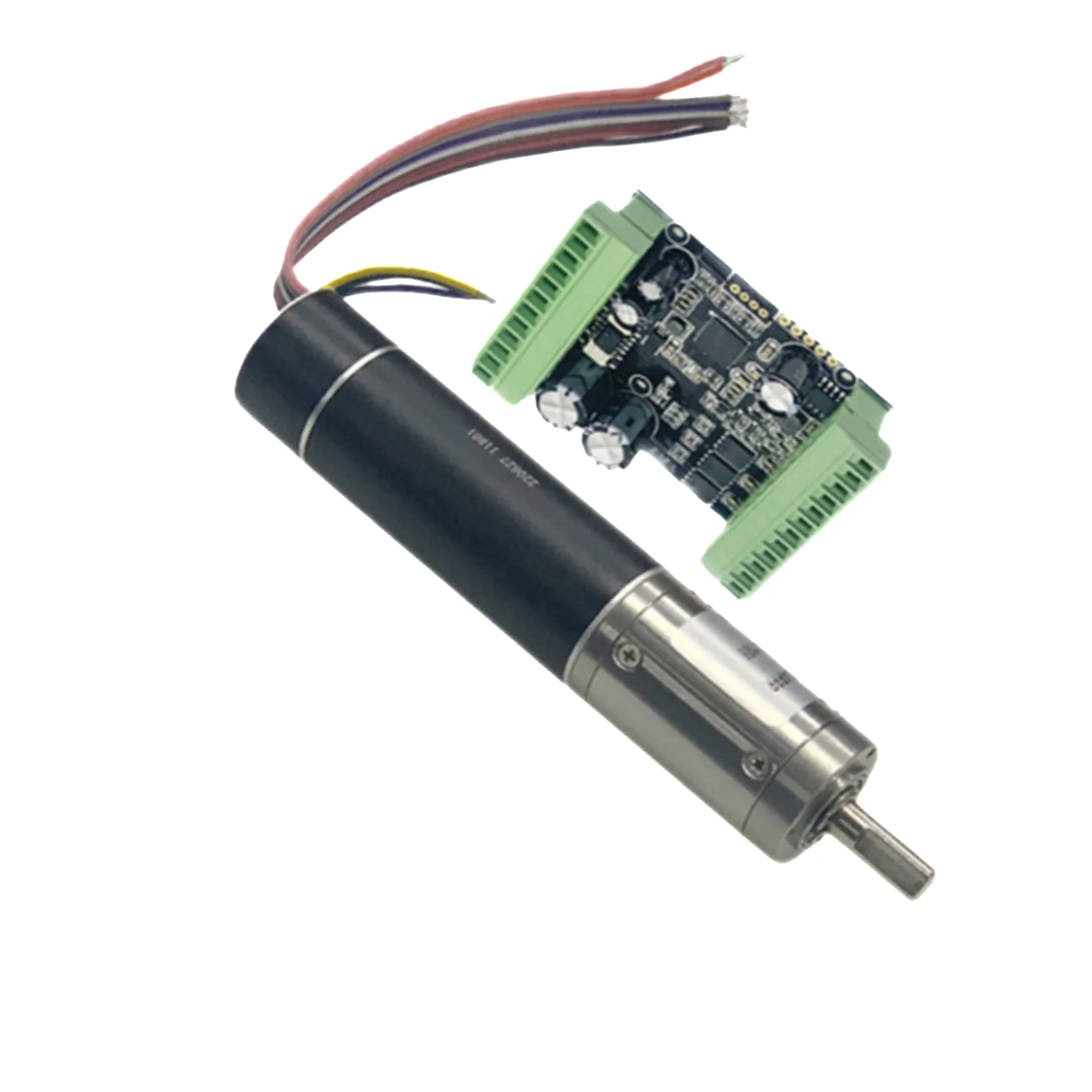
temperature stable direct current micro motor industrial output?
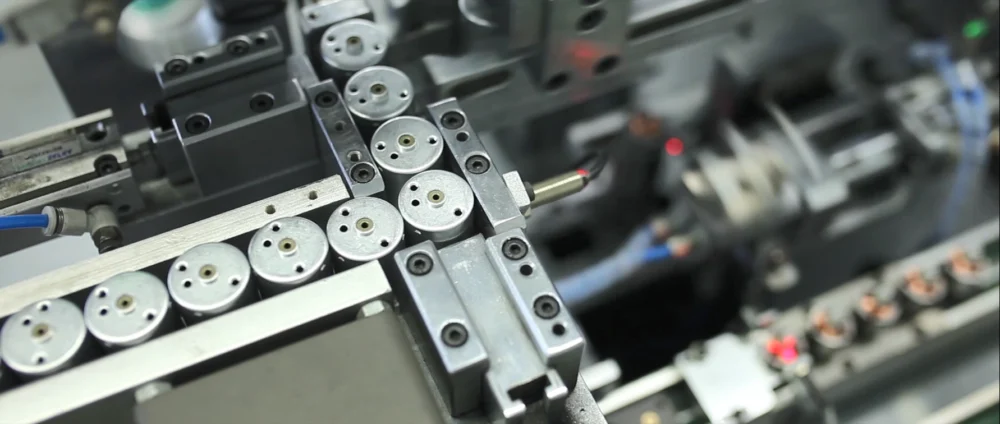
Salutationsto this thorough review pertaining to electronically switched motors along with multiple commercial applications.
brushless commutated motors yield a effective replacement to conventional mechanical commutated motors in diverse areas. These engines leverage potent electromagnetic units and accurate microprocessor-based mechanisms to produce rotational rotation. This removes the compulsion for slip rings, leading to greater operation, minimized maintenance requirements, and amplified operation time.
- What's more, brushless DC motors exhibit silent operation, neat size, and outstanding torque-to-weight ratio.
- Therefore, they are utilized in a wide range of deployments, comprising
High-Accuracy Micro Gear Motors
Micro-scale gear motors present unmatched accuracy over a broad range of applications. These small motors utilize complex gear assemblies to deliver precise movement with significant power. Their profound meticulousness renders them perfect for branches such as robotics, medical devices, and transportation.
- Compact micro gear units include fine accuracy and quiet operation.
- Customizable layouts enables customization to fit distinct application criteria.
- Given tech progress, micro gear motors are becoming cost efficient.
Micro Stepper Motors in Control Systems
Compact step motors present solid and compact-sized solutions for strict motion control among several different robotics and automation contexts. These extremely efficient motors apply magnetic fields to generate rotational movement with stepwise incremental steps, rendering them advantageous for activities requiring exact positioning.
- Applications for mini stepper motors stretch robot arms to consumer electronics and health technologies.
- Minimal bulk facilitate integration into compact environments, while their powerful force output supports dependable performance.
- As well, mini stepper motors feature low noise operation and lowered resonance, making them ideal for environments where noise suppression is crucial.
Selecting a 12 Volt DC Gear Motor
At the time of choosing a 12V DC gear motor for your project, there are diverse factors to contemplate. Foremost, determine the required torque and speed. This depends on the pressure that the motor will be carrying. Next, take into account the reduction ratio of the gear structure. A higher reduction ratio boosts force but lowers rotation speed.
Also, factor in the motor's efficiency and thermal range. Moreover, the motor's physical bulk should coordinate with your development.
At the end, it's essential to identify a proven manufacturer and check that the motor meets official requirements.
Learning Brushless DC Motor Behavior
The BLDC motor operates like a type of electric motor that leverages persistent magnets to spin a shaft. Unlike brush-equipped motors, these motors skip the carbon brushes required for energy flow. This feature grants several advantages, such as enhanced efficiency, reduced maintenance, and a smoother operation.
Functioning of a brushless DC motor is based on the interaction between the rotor magnets and a series of field coils. These loops are arranged in a specific layout to create field gradients that interact with the rotor magnets. This interaction brings about torquing force that causes the shaft to rotate.
For operating the motor's drive speed and direction, a controller emits varying pulses of current to the stator coils. The pattern of these pulses determines the magnetic field orientation in the stator, which in turn shapes the rotor's position and angular velocity.
Advanced Micro Gear Motors for Industry
In current industrial applications, quality and precision are crucial. Constructors pursue leading-edge means to streamline their facilities and achieve high performance. Precision micro gear units have risen as a integral feature in this process, providing compact yet strong powertrains for extensive applications.
Superior micro geared motors furnish exceptional torque density, enabling them to produce substantial power within a compact footprint. These motors are engineered with long-lasting materials and pioneering designs to stand up to rigorous operating parameters and ensure steady performance throughout long intervals.
- Cutting-edge gear technology curbs friction and wear, augmenting efficiency and lengthening motor functional life.
- Fine control mechanisms facilitate adjustment of speed and torque, adhering to different industrial standards.
- Embedded encoders furnish accurate positional data, augmenting system consistency and sharpness.
In automation and robotics to medical devices and consumer electronics, high-performance micro gear motors are changing industries by providing compact, powerful, and precise drive units.
Compact Stepper Drivers with Applications
Incremental motors yield precise location management in assorted applications. Miniature stepper motor driver circuits are fundamental for directing these condensed motors. These circuits often apply integrated components specifically designed for driving stepper motors, featuring capabilities like current regulation, direction turnover, and speed control.
Uses for miniature stepper motor driver circuits are wide-ranging, spanning sectors such as robotics, manufacturing, consumer hardware, and medical machinery. They can be found in implementations like precision exact positioning, item manipulation, looped control schemes, and user interface elements.
Features of 12V DC Gear Motors
12V DC gear motors provide a large range of profits for many applications. Their miniature size makes them excellent for restricted spaces, while their high torque output enables them to support heavy loads with ease. 12V DC gear motors are also known for their power, attenuating energy and managing quietly. They offer precise control, making them suitable for tasks requiring detailed movements. Furthermore, these motors are robust, able to withstand severe conditions and provide dependable performance over time.
Analyzing Brushless Motor Efficiency and Power Density
Brushless DC (BLDC) motors are known for their exceptional output, consistently outperforming their brushed comparables. This superior efficiency results from the absence of friction-causing brushes, avoiding energy dissipation. Moreover, BLDC motors showcase a remarkable performance density, enabling them to generate substantial power within a relatively small footprint. This union of optimized functioning and power density makes BLDC motors perfect for a wide array of applications, consisting of electric vehicles, robotics, drones, and consumer electronics.
- Critical elements shaping BLDC motor efficiency include coil structure, magnet components used, control algorithm employed, and operational parameters.
- Elevating power density in BLDC motors generally involves using potent magnets, optimizing winding configuration arrangements, and employing progressive processing techniques.
Frequent progressions in BLDC motor technology keep to push the boundaries of efficiency and power density, making them an growing popular choice for diverse industries.
Reviewing Micro Gear Drives, Stepper Motors, and DC Gear Units
Choosing the right motor necessitates understanding the characteristic traits of each type. Micro gear motors, stepper motors, and DC gear motors all hold diverse advantages and challenges. Micro gear motors are characterized by their minimized footprint, making them fitting for compressed spaces. Stepper motors bring precise movement, making them appropriate for applications requiring specific steps. DC gear motors yield a amalgamation of power and capability.
- Reflect on the torque thresholds of your application.
- Determine the required speed and positional fineness.
- Factor in the background.
By thoroughly evaluating these elements, you can elect the motor that best matches your distinct needs.
Integrating Brushless DC Motors into Your Projects
Brushless DC motors offer exceptional capability and hardiness, making them a popular choice for a wide range of applications. Adding these motors into your projects can markedly improve their overall effectiveness. Before starting, it's critical to grasp the fundamentals of brushless DC motor operation and choose the appropriate unit for your requirements. A thorough familiarity of control signals, sensor data, and control hardware is vital for optimal integration.
- Factors to take into account when determining a brushless DC motor
- Engine specifications and parameters
- Directive signals and communication protocols
- Feedback systems for accurate positional data, speed, and motor torque control